
Views: 0 Author: Site Editor Publish Time: 2026-01-13 Origin: jf-irrigation.com
Sprinkler Valve Covers: The "Guardians" of Irrigation Systems – A Complete Guide to Selection and Maintenance
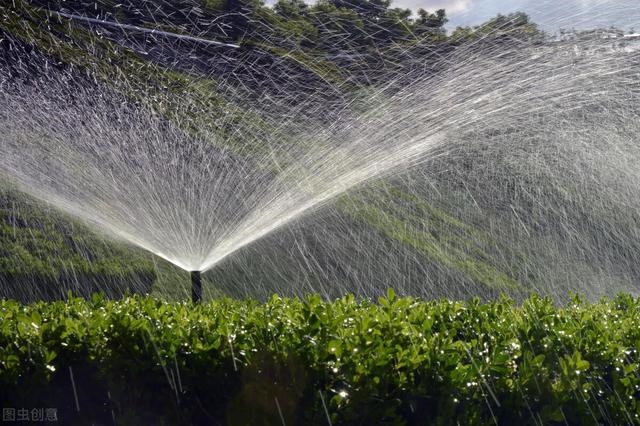
In the irrigation systems found in backyards, parks, or farmlands, there is a crucial yet often overlooked component: the sprinkler valve cover. Whether it is a sprinkler valve box cover designed to protect the valve body or various types of sprinkler valve covers adapted to different scenarios, they all serve as the core "guardians" of the system. Properly selecting and using components related to covering sprinkler valves not only extends the lifespan of the irrigation system but also prevents water waste and irrigation failures caused by valve damage. Today, we provide a comprehensive analysis of the selection criteria, application scenarios, and maintenance techniques for sprinkler valve covers and related parts.
First, we need to clarify the core functions of various sprinkler valve cover components. The primary function of a sprinkler system cover is protection. On one hand, it blocks rainwater, sediment, fallen leaves, and other debris from entering the valve interior, preventing clogging or corrosion. On the other hand, it prevents valve damage caused by pedestrian or vehicle traffic, or heavy object impacts. As an important subset, the valve box cover focuses on matching the dimensions of the valve box to form a complete protection system. Whether it is a specialized cover for sprinkler valves or a more versatile irrigation valve cover, the core design logic revolves around "protection" and "compatibility," ensuring that the valves—the core control components of the irrigation system—operate stably.
When selecting covers for sprinkler valves, many people fall into the trap of "only looking at size, not the scenario." In reality, different usage scenarios have vastly different requirements for the material, structure, and performance of the cover. For example, in small residential settings like backyards, a plastic sprinkler valve cover is sufficient. These covers are lightweight, easy to install, and cost-effective. When used with a small sprinkler valve box cover, they effectively block daily debris. However, in large outdoor settings such as farmland or mining areas, a high-strength metal irrigation valve box cover is necessary. These covers offer superior compression and impact resistance, capable of withstanding heavy agricultural machinery. They also provide better weather resistance against harsh natural elements like wind, sun, and rain. Furthermore, for low-temperature regions, it is advisable to choose sprinkler valve covers with anti-freezing designs to prevent cracking due to winter ice. In high-temperature, sun-exposed areas, prioritize UV-resistant cover sprinkler valve components to prevent material aging and embrittlement.
Beyond scenario adaptation, size matching is also key when choosing a cover for sprinkler valves. Different brands and models of sprinkler valves correspond to different valve box sizes. If a sprinkler valve box cover is too large, the seal will be ineffective, allowing debris to enter. If it is too small, it cannot be installed correctly and may even crush the valve body. Therefore, before purchasing, it is essential to accurately measure the length, width, and height of the valve box, or select a dedicated irrigation valve cover that matches the specific model of your irrigation system. Additionally, anti-theft features should be considered for specific scenarios. For public places like parks and municipal landscaping, sprinkler valve covers with locking mechanisms can be chosen to prevent loss or vandalism.
Proper installation and regular maintenance are core steps to extend the lifespan of both the sprinkler valve cover and the entire irrigation system. During installation, first ensure the cover fits tightly against the valve box or body to avoid gaps. For covers requiring fixation, check that the screws or clips are secure to prevent loosening or falling off. In daily maintenance, regularly clear debris from the surface of sprinkler valve covers to prevent accumulated sediment or leaves from affecting the seal. Simultaneously, inspect the cover for cracks, deformation, or other damage. If issues are found, replace the cover promptly to prevent damage to the valve. For irrigation valve box covers, it is also necessary to periodically open them to check for standing water inside the box. If water is present, it must be drained immediately to prevent long-term corrosion of the valves.
It is worth noting that many users confuse sprinkler valve covers with other irrigation parts, or even use ordinary plates to replace a dedicated cover for sprinkler valves. This practice poses significant risks. Ordinary plates often lack compatibility and cannot fit tightly against the valve or box, greatly reducing protection. Furthermore, their materials may lack weather and pressure resistance, making them prone to damage over time and actually increasing maintenance costs. Therefore, from both an economic and practical perspective, choosing a dedicated sprinkler valve cover or irrigation valve cover is always the safer option.


